hat Medical Professionals Say In regards to the Major Vertigo Cause
Vertigo is a medical problem that produces a rotating experience or emotion of difference, often making easy daily activities difficult. It could occur instantly and might last from a few seconds a number of hours with regards to the underlying condition. Health specialists note that vertigo influences thousands of people worldwide annually and is frequently connected to issues within the inner head or the worried system. Medical reports show that knowledge vertigo causes is important for early diagnosis and appropriate treatment since different causes can involve various medical approaches. What are the most common medical reasons behind vertigo? Medical studies reveal that inner ear problems are responsible for the majority of vertigo cases. The inner ear regulates harmony and spatial alignment, and any disruption of this type can result in dizziness or rotating sensations. Several commonly reported causes include benign positional harmony problems, internal hearing attacks, vestibular nerve infection, and migraine-related harmony problems. Research data from neurological centers implies that positional harmony problems alone account for almost 40% of recognized vertigo cases. These problems occur when little calcium contaminants inside the internal hearing move into the wrong part of the balance canal.
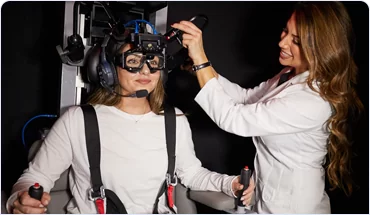
How often does vertigo affect adults globally? In accordance with international health data, about 15–20% of adults experience vertigo signs at least one time in their lifetime. Studies done by neurological study institutions show that the condition becomes more popular with age. Among adults over this of 60, almost 30% report continuing balance issues or spinning sensations. Women are somewhat more prone to knowledge vertigo than men due to hormonal influences and larger costs of migraine-related stability disorders. Medical analysts also spotlight that vertigo reports for a significant number of emergency center visits every year since unexpected dizziness may simulate signs of more serious neurological conditions. Can neurological conditions lead to vertigo? While inner ear issues are the absolute most repeated trigger, neurological conditions may also perform a significant role. Once the head areas responsible for harmony and spatial understanding are affected, vertigo might develop. Conditions that can lead to vertigo contain: Migraine-related stability disturbances Paid off blood movement to the brain Particular neurological disorders affecting coordination Mind incidents that affect stability centers Wellness professionals record that neurological causes constitute around 10–15% of vertigo cases. Early evaluation is very important because some neurological situations involve immediate medical attention. What lifestyle factors may increase the risk of vertigo? Life style behaviors also can effect the likelihood of experiencing vertigo symptoms. Studies declare that a few facets might raise the odds of stability disturbances. These generally include high stress levels, absence of sleep, contamination, and unexpected head movements. Those who invest long hours looking at displays or employed in positions that strain the neck could also experience dizziness because of muscle strain and flow changes. Data from occupational wellness study indicate that company personnel and individuals with sedentary workouts record dizziness signs more often compared to people who maintain standard bodily activity. Are vertigo symptoms always related to the inner ear? Maybe not always. Whilst the internal head is the most common supply, vertigo can also originate from circulatory issues, medication side effects, or metabolic changes. Some drugs that affect body pressure or the nervous program can lead to temporary dizziness. Also, problems such as anemia, low body stress, or unexpected falls in glucose levels may generate signs just like vertigo. Because of these overlapping indicators, medical evaluation is essential for distinguishing the exact cause. What do health statistics reveal about vertigo diagnosis and recovery? Recent health reports show that early analysis significantly increases treatment outcomes. Approximately 80–90% of vertigo cases may be efficiently maintained through targeted remedies such as for example repositioning maneuvers, medication , harmony therapy, or lifestyle adjustments.
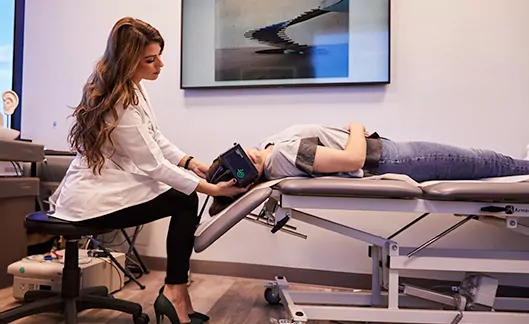
Scientific rehabilitation applications focused on stability education have demonstrated healing changes of around 70% in people encountering persistent vertigo symptoms. Health practitioners emphasize that awareness, early medical consultation, and proper examination are key to reducing long-term complications associated with stability disorders. Why understanding vertigo causes is important Vertigo is not really a condition itself but a symptom that may develop from several underlying conditions. Knowledge the causes, chance factors, and health statistics encompassing vertigo helps people and healthcare professionals recognize the most effective treatment approach. With continued medical research and improved diagnostic methods, healthcare specialists are now actually better prepared to identify vertigo-related disorders earlier. As recognition develops, more individuals are able to control symptoms efficiently and keep a better quality of life through suitable medical treatment and lifestyle adjustments.